




Alaska Conservationists Urge Action on Transboundary Mining
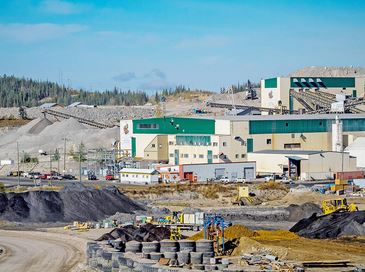
Moutn Polley Mine.
[Click image to enlarge]
Federal lawmakers have been urged by tribes and local conservation groups to address transboundary mining, which some consider a threat to southeast Alaska.
Transboundary mining is when run-off from a mine in one country pollutes water that eventually flows into another country.
The dams in Canada holding back toxic wastewater from the mining process have failed before in 2014 when the Mount Polly Mine in British Columbia spilled millions of gallons of industrial waste into nearby waterways in southern British Columbia, the Juneau Empire reported.
“I always say, when one of those tailings (ponds) goes it’s going to ruin our way of life in Southeast Alaska,” said Tis Peterman, executive director of the Southeast Alaska Indigenous Transboundary Commission. “It’s going to ruin the ocean, salmon, subsistence, hunting and gathering, that will all be affected.”
Peterman and other conservationists say the problem is because of lax environmental regulation by the provincial government of British Columbia in Canada.
“B.C. does not adequately assess risk when permitting,” said Salmon Beyond Borders director Jill Weitz, who recently published a scientific article urging the governments in both countries to find solutions to problems stemming from transboundary mining.
Source: The Associated Press
Be in-the-know when you’re on-the-go!
FREE eNews delivery service to your email twice-weekly. With a focus on lead-driven news, our news service will help you develop new business contacts on an on-going basis.
CLICK HERE to register your email address.