




Pennsylvania Receives $55 Million to Redevelop Coal Refuse Sites
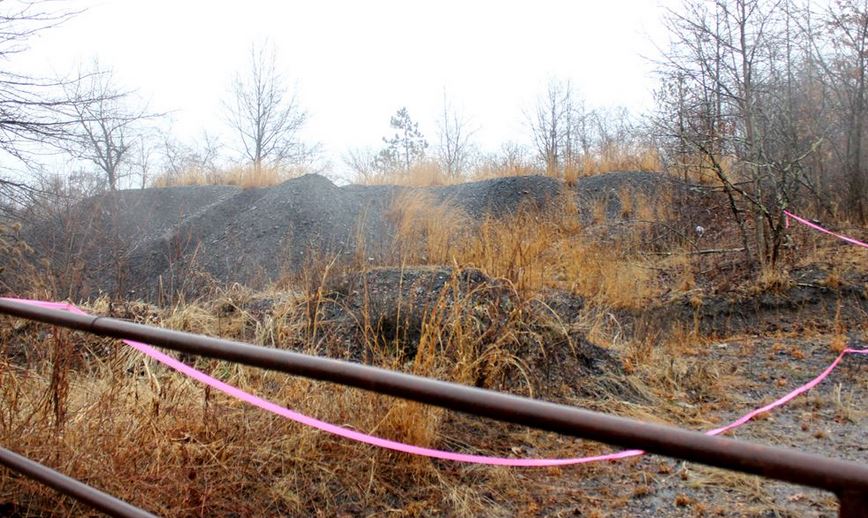
Black Dog Hollow. (photo: Courtney Linder, Post-Gazette)
[Click image to enlarge]
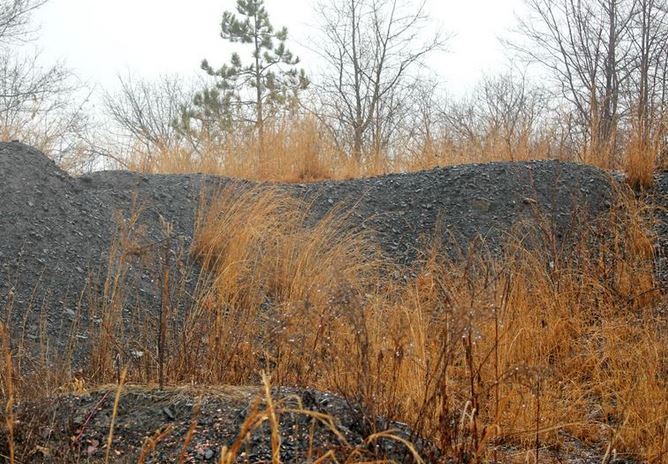
(photo: Courtney Linder, Post-Gazette)
[Click image to enlarge]
Pennsylvania will receive $55 million of about $300 million in annual funding from the Abandoned Mine Land Trust Fund to clean up hazardous sites left behind by the mining industry, U.S. Secretary of the Interior Ryan Zinke announced at a volunteer fire hall in East Bethlehem Saturday afternoon.
The Washington County community is home to one of about 800 coal refuse piles left in the state — Black Dog Hollow, a 45-acre site of debris and hazardous material that climbs about 90 feet high. The nearest home is located just 100 feet away.
The site poses a number of environmental threats including dangerous runoff into the Monongahela River, soil erosion and the movement of slate onto local roads and into sewers, clogging the public drainage system. It’s the byproduct of a mining conveyor system that was built at the pile prior to 1958.
In 12 to 18 months, Mr. Zinke hopes to see grasses cover the toxic pile. In five years, he said, there will be trees sprouting.
Since 1980, the state has received over $1.2 billion from the fund, which is derived from coal companies, themselves. Firms pay 28 cents per ton for surface-mined coal and 12 cents per ton for coal mined underground, according to the Pennsylvania Department of Environmental Protection.
While the grant money is intended to eliminate existing health and safety hazards, some local residents are frustrated that they weren’t informed about the impending redevelopment more than 24 hours before Mr. Zinke made the announcement.
Julie Bundy, a 38-year-old teacher who lives across the street from the site, said she found out Friday night through an online post on the East Bethlehem Township Facebook page. She’s concerned older citizens not active on social media didn’t have access to the event.
Ms. Bundy hoped Saturday’s announcement would provide more answers on the future of Black Dog Hollow, such as where construction trucks would park, how many days a week crews would be active, how much noise the work would cause and if toxic dust would infiltrate the town’s air.
“Where’s the red mud going to go?” she said. “Let people ask questions and get reasonable answers.”
East Bethlehem Township Commissioner At-Large Jasen Henck did not comment.
According to the Facebook post, the project will consist of demolishing the hazardous debris and grading it to a more stable condition by mixing bauxite, an aluminum ore, into the top 24 inches of coal refuse, followed by hydroseeding — a form of planting used to control erosion — and mulching.
Phase one begins this year, with bauxite being shipped to the area on barges. In 2019, the township expects to actually spread and incorporate the material.
Cheryl Gross, a 60-year-old custodian whose property is adjacent to the Black Dog Hollow site, said a DEP agent notified her in June that the site might be redeveloped.
“I know that you have to deal with the dirt and noise, but I’m concerned about what it will be like after,” said Ms. Gross, who has lived in the community for 36 years. “Will people want to hang out there afterward?”
Source: Pittsburgh Post-Gazette
Be in-the-know when you’re on-the-go!
FREE eNews delivery service to your email twice-weekly. With a focus on lead-driven news, our news service will help you develop new business contacts on an on-going basis.
CLICK HERE to register your email address.